- ! ! ! ! ! ! ! ! ! ! ! ! ! Latest Updates
- ! ! ! ! ! ! ! ! ! ! ! ! ! Latest Updates
- ! ! ! ! ! ! ! ! ! ! ! ! ! Latest Updates
- Home
- Boa constrictor subspecies
- Boa constrictor - Interesting Facts
- More boa information
- Boa Gallery
- Boas for Sale
- Contact

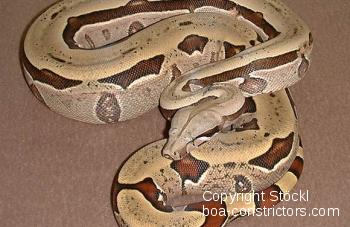
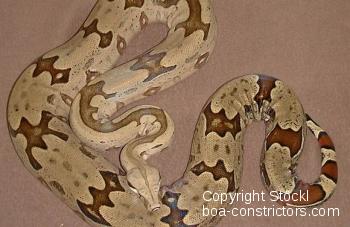
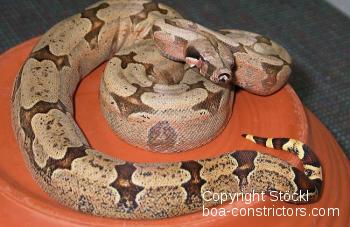
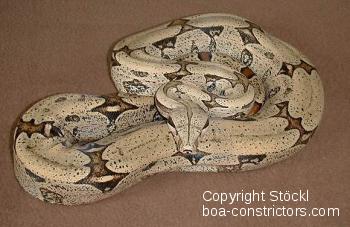

Boa constrictor amarali - Bolivia
Distribution area: southeast Bolivia
Estimated average length of mature females: Approximately 1.90 – 2.20 m (6.2 to 7.2 ft)
Taxonomic status: Subspecies recognized by the CITES convention
| Bolivia |
| Brazil |
| US misinformation |
Boa constrictor amarali Bolivia information | bolivian short-tail boa | short tailed boas Bolivia | short tail Boa Bolivia information | bolivian short tail boa information | Boa c. amarali size | Boa c. amarali length
Boa c. amarali offspring for sale
We recently received some very interesting information from Francis C. Vasquez, a Bolivian herpetoculturist and friend of ours. Francis is engaged in a project in Bolivia that aims to save Bolivian Boa c. amarali from extinction.
He told us that the distribution area of Boa c. constrictor and Boa c. amarali is exactly the same. Nevertheless no integration of both subspecies occurs there.
Some integrades were found, where actually a complete mixing should have occured. Francis and his team found no answer to this.
Here is a video clip of our Bolivian Boa c. amarali - dotted bloodline: