- ! ! ! ! ! ! ! ! ! ! ! ! ! Latest Updates
- ! ! ! ! ! ! ! ! ! ! ! ! ! Latest Updates
- ! ! ! ! ! ! ! ! ! ! ! ! ! Latest Updates
- Home
- Boa constrictor subspecies
- Boa constrictor constrictor
- Boa constrictor imperator
- Boa constrictor longicauda
- Boa constrictor amarali
- Boa constrictor occidentalis
- Boa constrictor ortonii
- Boa constrictor sabogae
- Boa constrictor nebulosa
- Boa cons. melanogaster
- Boa constrictor orophias
- Dwarf Boa constrictors
- Boa constrictor - Interesting Facts
- More boa information
- Boa Gallery
- Boas for Sale
- Contact

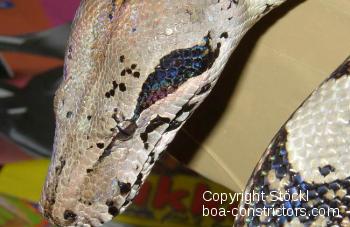
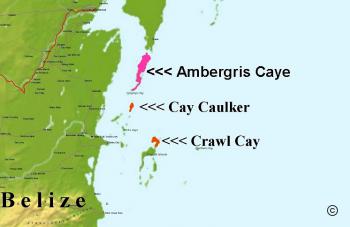
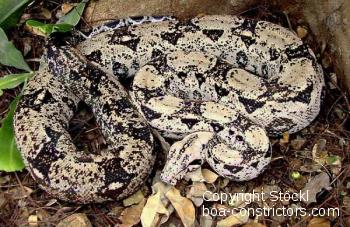
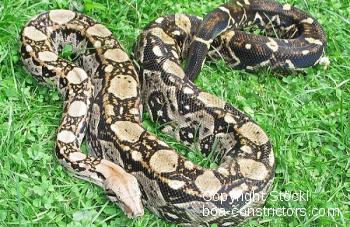
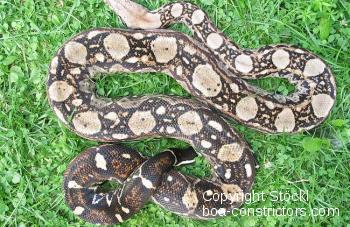
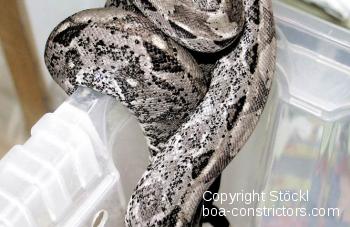
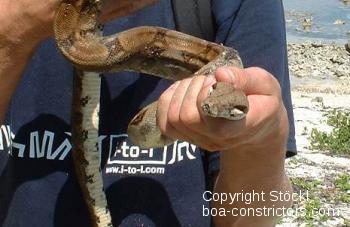
Boa c. imperator Belize - Crawl Cay Boas
Distribution areaBelize
Estimated average length of mature Boa c. imperator femalesmaximum length is 1,8 m (6 ft)
Taxonomic status Subspecies recognized by the CITES convention
| Mexico |
| Tarahumara |
| Belize |
| Crawl Cay |
| Ambergris Caye |
| Columbia |
| Ecuador |
| El Salvador |
| Costa Rica |
| Honduras |
| Nicaragua |
Boa c. imperator Crawl Caye Belize |Boa imperator Belize Crawl Caye | Belize dwarf boa | information on Belize Boa c. imperator | Belize common boa |size of Belize boas | length of Belize boas
CAPTIVE BORN CRAWL CAY BOAS FOR SALE
The Belize boas have three characteristics, that distinguish them from all other Central American boas:
- The saddle pattern is different (just look at the photos)
- The shape of the heads is very similar to Boa c. orophias (St. Lucia Boa)
- If you close your eyes and grab a Crawl Cay Common boa, you will think you touch a Dumerils boa. The body of the Belize boas is very hard and muscular. No surplus of fat, no matter how you feed them. We never noticed such a tough and muscular body in any other Central American boa (or in other Boa constrictors anyway)
This rare local variation of Boa c. imperator belongs to the rather smaller members of the Boa constrictor family, although they are not that small as we thought so far (our adult females have reached 5.5 ft. in length meanwhile) According to the "BOA CONSTRICTOR MANUAL" the maximum length is 6ft.
Due to the petty attitude of National Geographic Channel regarding the copyright we are not allowed to publish the photo directly on our website.
This photo of a Crawl Cay Belize Boa was made on the island Crawl Cay by the professional photographer Dana Kemp, who is working for the
National Geographic Channel.

We took particular gratification out of the fact that this specimen is showing a stunning resemblance to our animals. This is another evidence that some
boas presented as "Crawl Cay Boa" by certain websites have nothing in common with the reality.